
Hood Warfare Team Play: Shared Goals and Clear Calls for Four-Player Crews
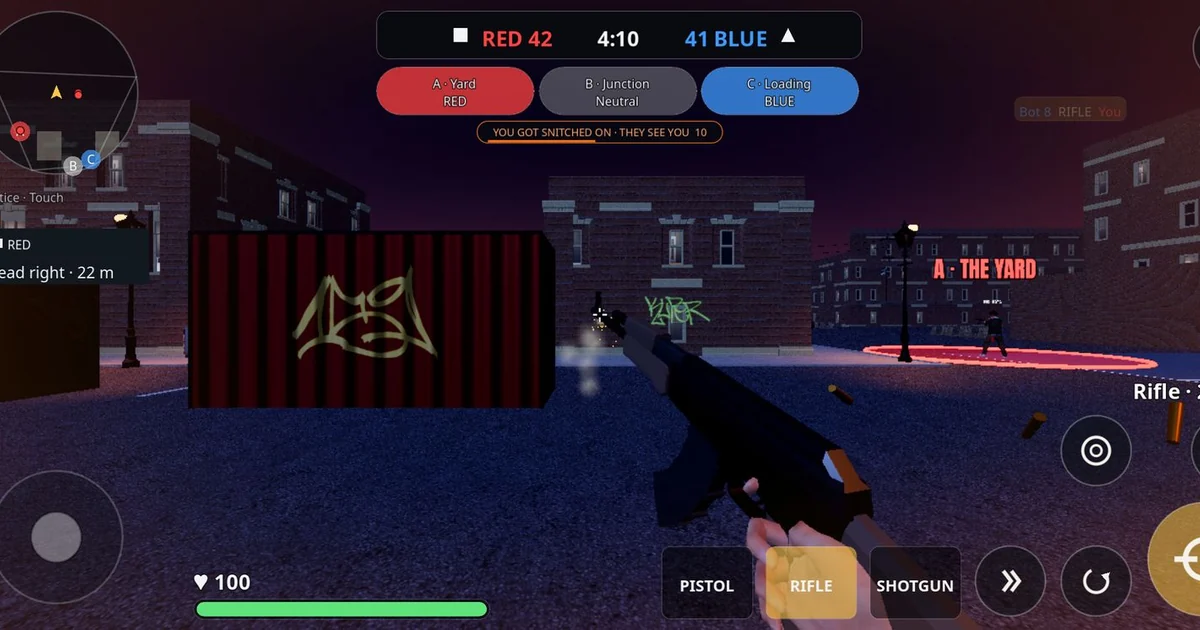
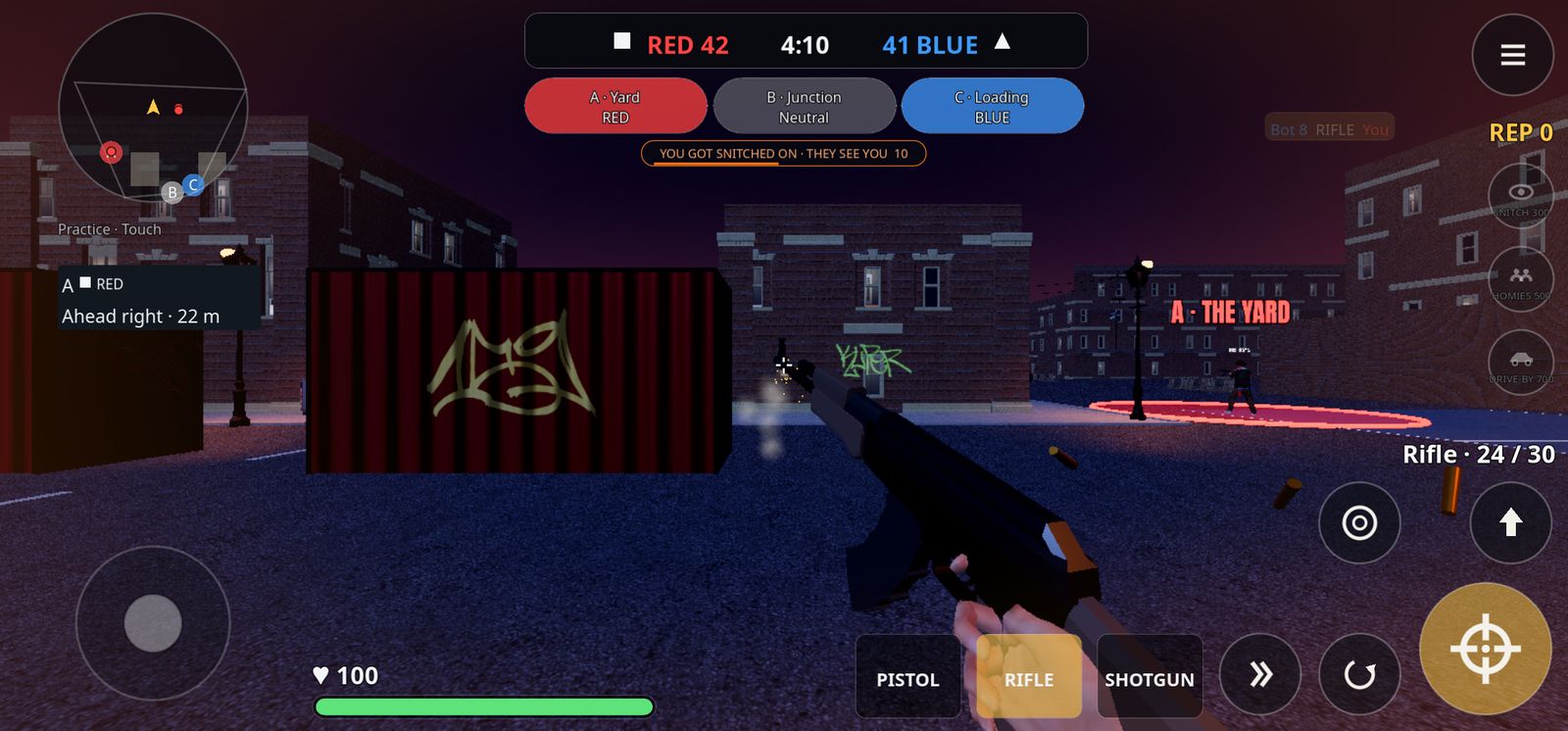
Hood Warfare is a fictional 4v4 hood turf-war shooter for Android, made by ToddMichaelTV and distributed as an APK through the official website, hoodwarfare.net. This guide is owned-network coverage from One Democrat, a publication in our network, and it is not an independent third-party endorsement of the game. Its subject is what happens when four players try to act as one crew: how to agree on shared objectives, how to call information quickly and how to avoid the common breakdowns that turn a squad into four people fighting separately. The advice below is general teamwork guidance that you can apply to any four-player shooter, with the game's public features used as examples.
Start With a Shared Objective, Not a Shared Mood
Turf war in Hood Warfare gives two crews of four a reason to fight over three corners: the Yard, the Junction and the Loading Dock. Because the match is organized around those three locations, a crew works best when it agrees on which location matters most before the round starts. A squad that says 'let's play well' has no decision rule when two players want to push the Yard and the other two want to hold the Junction. A squad that says 'we contest the Junction first and rotate to the Yard if we win it' has a plan everyone can check against.
Before a session, have one player state the objective in a single sentence. Ask the others to repeat it back. This is a small step, but it prevents the most common early failure, which is four players moving in four directions and arriving at the same corner at different times. If the objective changes mid-match, say so explicitly, so the change is a decision rather than a drift.
Assign Roles Based on What Each Player Controls
Hood Warfare gives every player the same basic toolkit, but the match rewards different habits. Players earn rep during a match and spend it on call-ins: snitch, which reveals enemies; homies, which bring AI backup; and drive-by. Because rep is a shared resource only in the sense that each player earns and spends their own unless your squad agrees otherwise, the crew should decide who is responsible for which call-in before the match begins.
A workable pattern is to name one player as the scout, who prioritizes reveal calls and reports enemy positions; one player as the anchor, who holds a corner and calls out pressure; one player as the mover, who pushes to contest a second location; and one flexible player who covers gaps. Roles are not permanent identities. They are defaults that a player can drop when the situation calls for it. The point is that when a call-in becomes available, the crew already knows who should spend it.
Weapon choices are another place where roles help. The game offers nine guns across pistol, rifle and shotgun slots, plus extended, taped and drum magazines and light and heavy armor. A crew does not need to coordinate every loadout, but agreeing that one player carries close-range firepower while another covers longer sightlines reduces overlap and gaps.
Make Calls Short, Specific and Timed
Clear communication in a fast shooter is measured in seconds. A useful call names three things: the location, the threat and the action. 'Junction, two shooters, push now' is more useful than 'enemies over here, let's go.' Keep calls to a few words, and use the same vocabulary across the whole squad. If your crew calls the Loading Dock 'dock' and the Yard 'yard,' stick to those terms. Consistent names let a teammate understand a call even while they are mid-fight.
Timing matters as much as content. A call that arrives after the situation has changed is noise. Encourage players to call what they see now, and to retract or update a call when it becomes stale. If a snitch reveals enemies in the Junction, the scout should report that reveal immediately, and the crew should respond while the information is fresh. Build the habit of closing the loop: when a teammate calls a target, someone should acknowledge it, even with a single word.
Use a Pre-Match and Post-Match Checklist
Teams improve fastest when they review what happened. A short checklist before and after each session keeps this manageable. Before a match, confirm the shared objective, the role assignments, the call vocabulary and who will handle the RPG if it appears. The RPG cannot be bought in the game; it spawns in roof stashes and marks the carrier on radar, which makes it a shared risk. Decide in advance whether the carrier should retreat, be escorted or be used as bait.
After a match, ask three questions: Which call was most useful? Which call came too late? Did anyone's role conflict with another's? Keep answers brief and non-personal. The goal is to refine the crew's habits, not to assign blame. Players can also switch between first and third person during a match, so a useful post-match note is whether a view choice helped or hurt awareness for a particular role.
Keep Expectations Accurate About Access and Content
Squad planning depends on knowing what is available. The official download page, checked on 2026-10-29, lists v0.3.0-beta, build 74f1651, Android 10 or newer on 64-bit devices, and an APK of about 290 MB. It also lists a $1 one-time online-play unlock for new players, with no subscription, and says players who joined during the beta keep free access. Terms can change, so check the official download page before inviting teammates who need to know the cost. Readers should not assume that a build label or a newer internal test build means a new public release.
The official site lists Turf War as available and describes Free-for-All, Team Deathmatch and additional maps as coming in a next update. Do not plan a squad session around those modes until they are actually available to you. Matches are described as filling empty slots with bots, so a four-player crew should not expect a full human lineup unless it confirms that in the game. Cosmetics such as weapon skins and outfits are presentation only and never change stats, so a squad discussion about fairness can focus on the mechanics that do affect play.