Hood Warfare Crew Roles: Assigning Jobs Around Turf Objectives
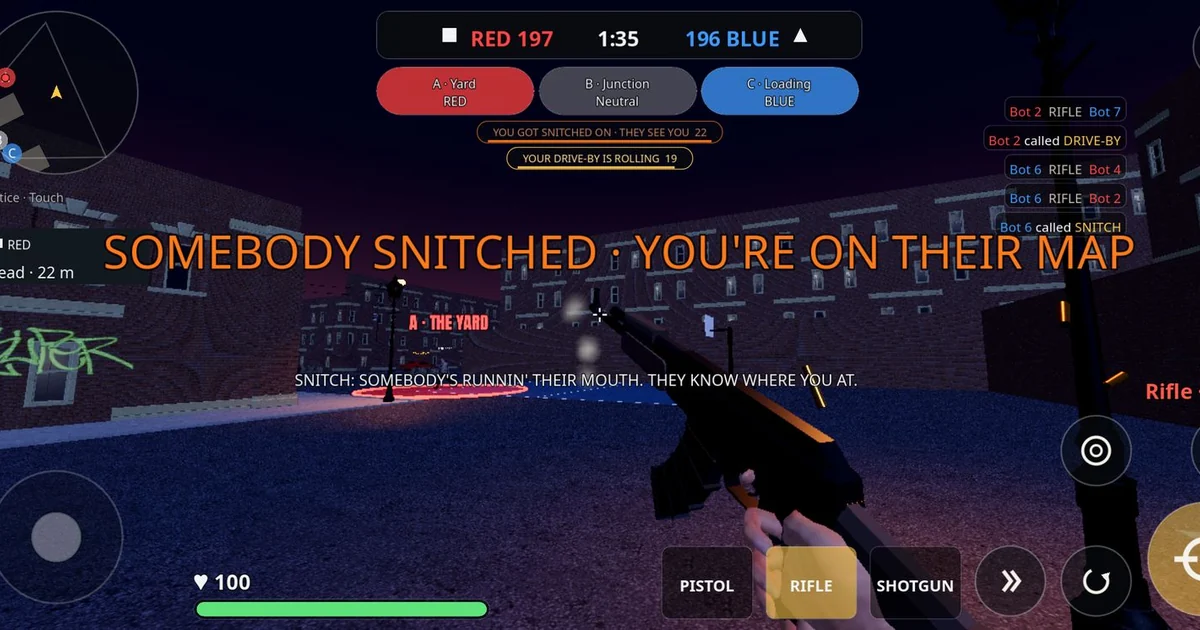
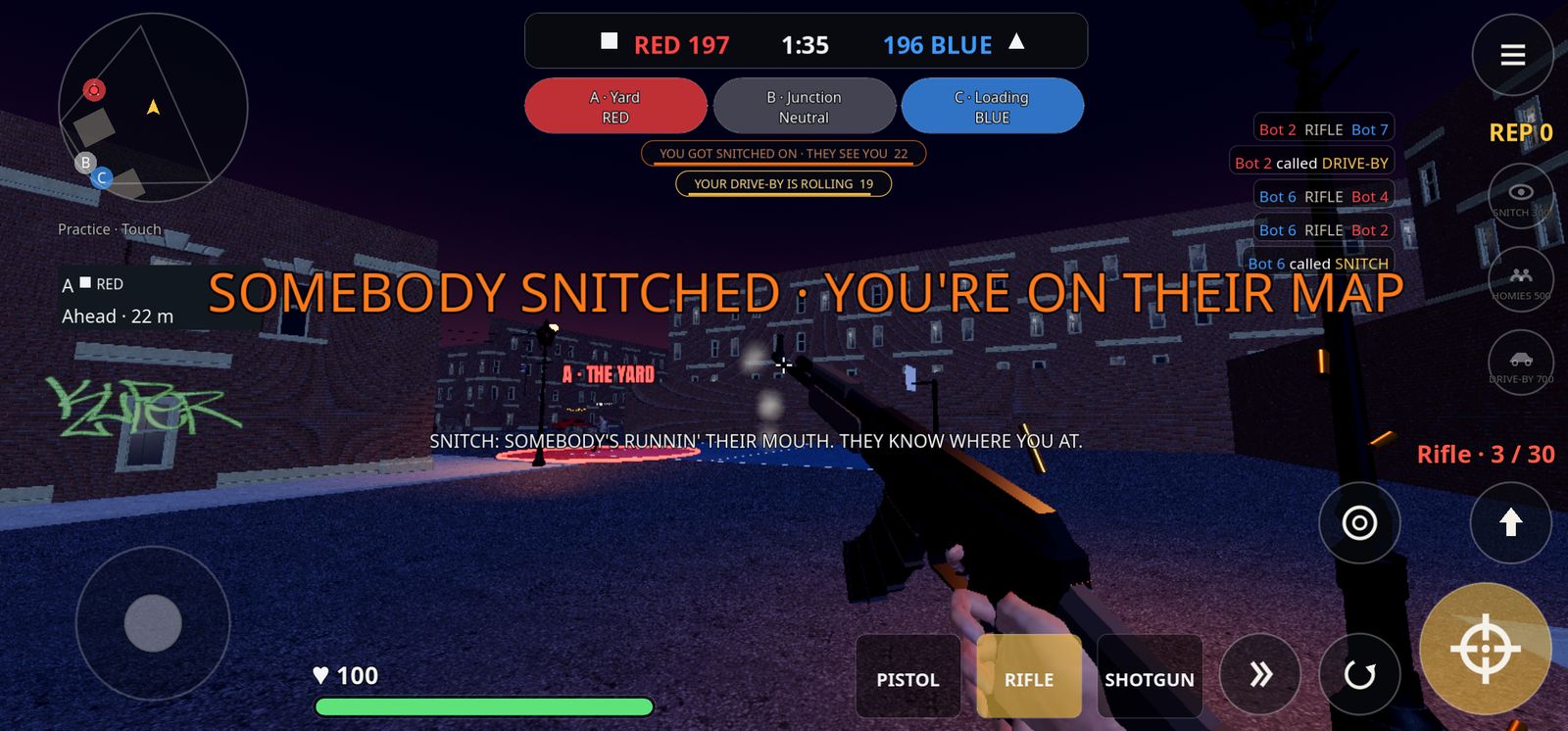
This guide is published on an owned-network site and is not an independent third-party endorsement. Hood Warfare is a fictional 4v4 hood turf-war shooter for Android, distributed as an APK through the official website, hoodwarfare.net, and made by ToddMichaelTV. Its team structure makes it a useful case study for a broader skill: how a small group divides responsibilities so everyone pushes the same objective. The principles below apply to any squad shooter, and the Hood Warfare details are drawn only from its official description. Where the official material does not confirm a mechanic, this guide says so rather than guessing.
Start With the Shared Objective
A four-person crew needs one clear goal before it needs roles. In Hood Warfare's turf war, two crews of four fight over three corners called the Yard, the Junction and the Loading Dock. Each corner is a point of pressure, and the crew that controls more of them shapes the match. Because the objective is spatial, the first useful question is not who is the best shooter but where the team needs to be and when.
Before a match, a crew can agree on a single sentence that describes the plan, such as holding the Junction while one player flanks toward the Loading Dock. A short shared sentence prevents four players from pursuing four different fights. It also gives the team something to return to when a round goes badly and players start improvising on their own.
Dividing Four Jobs Without Forcing Rigid Labels
Squad games often reward having players who cover different jobs. A practical split for four players is one anchor who holds a corner and watches the most exposed sightline, one flanker who moves to pressure enemies from an angle, one support player who manages shared resources and calls, and one roamer who responds to whatever is happening on the map. These labels are a planning tool, not a permanent contract. Players should rotate when a plan stops working.
The official description notes that players earn rep during a match and spend it on call-ins: snitch, which reveals enemies, homies, which provide AI backup, and drive-by. Those call-ins map naturally onto roles. The support player can be responsible for timing reveals before a push, while the anchor decides when backup is worth spending on a contested corner. Whether rep is shared across a crew or tracked per player is not confirmed in the public material, so a crew should test it in a practice match rather than assume.
Calling Information Clearly
Coordination fails most often in communication, not in aim. Good calls are short and specific: name the corner, the count of enemies, and the action. A call such as Junction, two pushing from the stairs, I need cover is more useful than a general warning. Crews should agree on a few standard words for the three corners and for common threats so that a call made in a hurry still lands correctly.
A reader can also apply this idea outside the game. Ask whether every instruction names a place, a number and a next step. If it does not, it is probably unclear.
A Checklist Before You Squad Up
Before joining or forming a crew, check a few things in plain terms. First, confirm the basics from the official source: the download page at hoodwarfare.net lists the current build, the Android requirement of version 10 or newer on 64-bit devices, and the approximate APK size of about 290 MB. Second, read the access terms yourself. As checked on 2026-10-29, the official download page listed a one-time $1 online-play unlock for new players with no subscription, and it said players who joined during the beta kept free access. Terms can change, so read the current page instead of relying on any summary, including this one.
Third, separate announced features from available ones. The official site lists Turf War as available and describes Free-for-All, Team Deathmatch and additional maps as coming in a next update. A crew should plan around what is available now. Fourth, understand what cosmetics do. The official description says weapon skins and outfits are presentation only and never change stats, which means a crew's role choices should depend on positioning and calls rather than appearance. Finally, remember that matches are described as filling empty slots with bots, so a crew should not assume every opponent or teammate is a human player.
Last, agree on a simple review habit. After each match, ask what the crew held, what it lost, and which call came too late. A team that reviews its roles every session will adapt faster than one that keeps the same plan regardless of results.