
Hood Warfare Crew Play: Shared Objectives and Clear Calls in Four-Player Teams
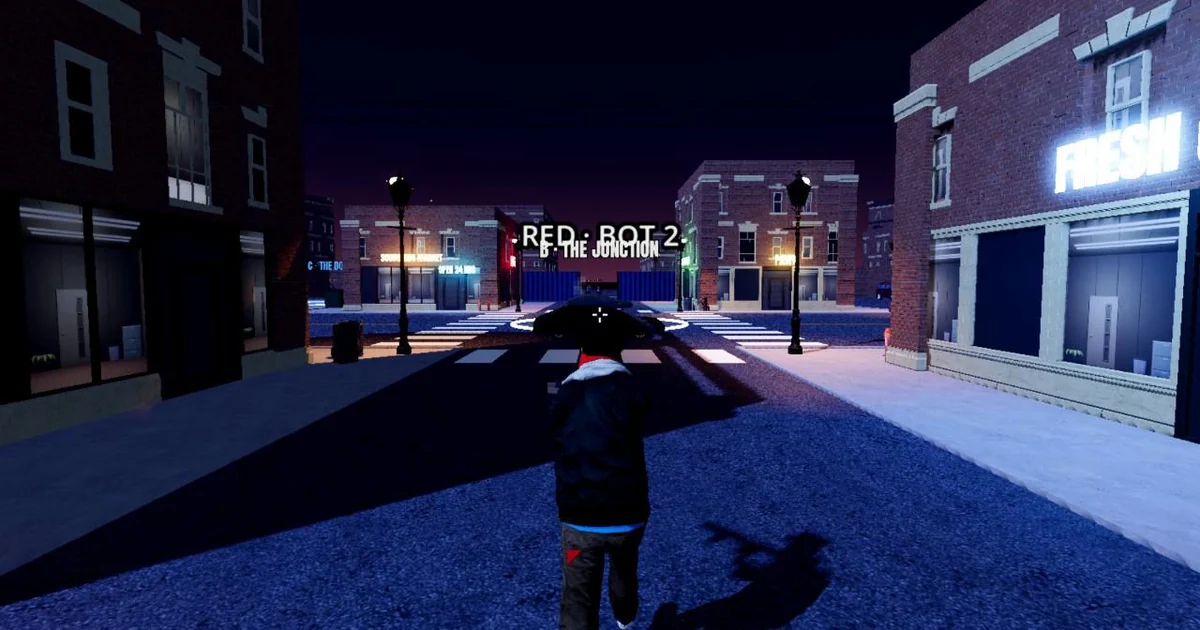
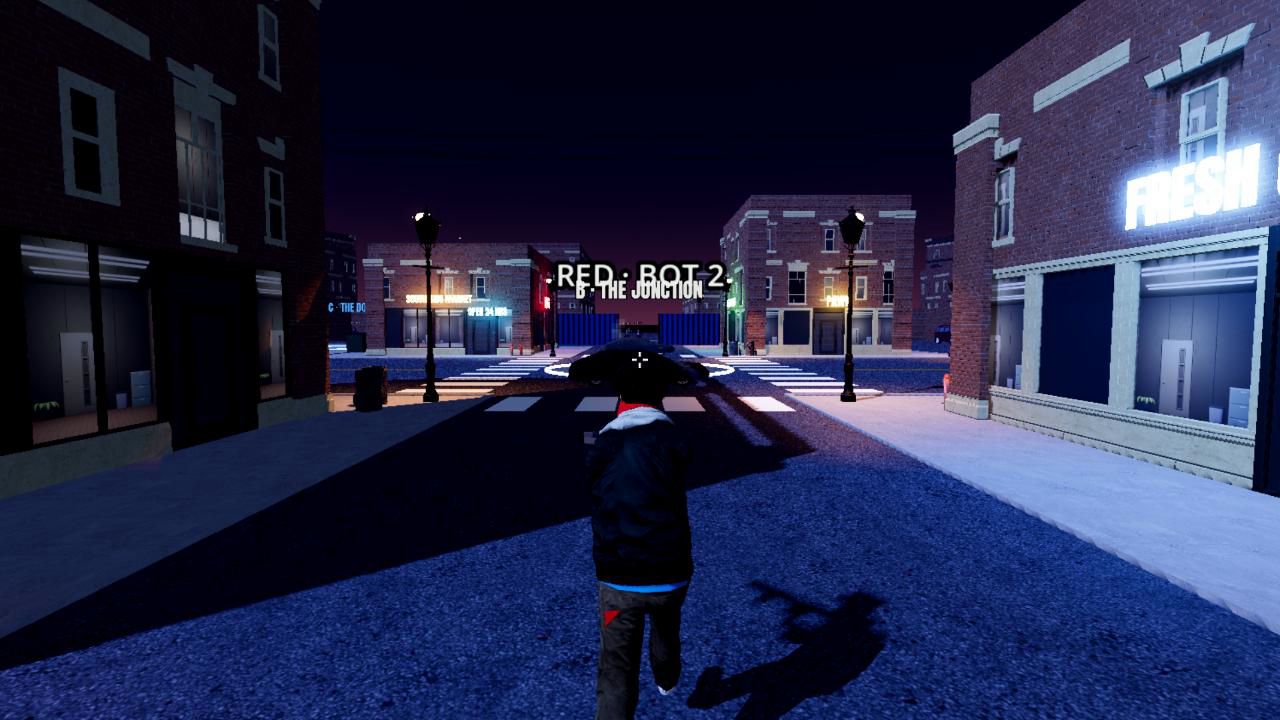
This guide is published on our owned network and covers Hood Warfare, a brand in our publishing network. It is not an independent third-party endorsement. Hood Warfare is a fictional 4v4 hood turf-war shooter for Android, distributed as an APK through the official website, hoodwarfare.net, and made by ToddMichaelTV. This article focuses on a narrower question than most game guides: how a four-person crew can align on objectives and communicate well enough to hold turf together. The advice here is general team-play method, applied to the mode the official site describes. It does not assume features the brief does not confirm, and it encourages you to check current details directly on the official site before you commit time or money.
Start With the Turf, Not the Gun
In a turf war, the map is the scoreboard. The official description says two crews of four fight over three corners called the Yard, the Junction and the Loading Dock. That structure means a crew can win a match by controlling the right places at the right times, even without the highest individual stats. Before you worry about loadouts, decide as a group what the crew is trying to hold and why.
A useful habit is to name a primary corner for the opening minute and a fallback corner if that first plan fails. Teams that skip this step tend to scatter, with each player reacting to whatever gunfire they hear nearest. Scattering feels busy but usually gives the opposing crew a numbers advantage at one corner while your own crew is watching another.
Build Calls Around Simple Words
Clear communication in a four-player match depends on short, repeatable calls. Pick a small vocabulary before the match and keep it stable. For example: a corner name followed by a count ("Junction, two enemies"), a status word ("holding," "pushing," "falling back"), and a time marker when relevant. Long sentences arrive too late to be useful in a fast fight.
Callouts should describe what you see, not what you plan to do with it. "Loading Dock, one on the stairs" gives teammates information they can act on. "I'm going to flank" gives them a plan they may not be able to follow. Reserve planning for the pre-round conversation, when there is time to agree on it.
Use Call-Ins as Team Tools
The official description says players earn rep during a match and spend it on call-ins: snitch (which reveals enemies), homies (AI backup) and drive-by. Treat these as shared resources rather than personal rewards. A snitch used on a corner your crew is about to enter is far more valuable than one used on an area already empty.
Assign a crew member to remind the group when rep is available and which call-in fits the current situation. Whether rep is pooled across the crew or tracked individually is not stated in the public brief, so check the in-game interface or the official site before building a strategy that depends on it. Avoid assuming a mechanic you have not verified yourself.
Divide Roles Without Locking Them In
Four players can cover a lot of ground if each person has a loose job. One player might hold the Junction, another might watch the Yard, and a third might be ready to rotate wherever the crew is under pressure. The fourth can act as a flexible player who reinforces whichever corner is most contested. Roles should guide positioning, not restrict it. Rigid assignments break down the moment a teammate is eliminated.
Weapon choices can support roles. The game offers nine guns across pistol, rifle and shotgun slots, plus several magazine types and armor options. Rather than debating every stat, agree that the crew has at least one player comfortable at mid-range, one who can handle close fights, and one who can check a corner from a safer distance. Keep the discussion practical and revisit it after a few matches.
A Pre-Match Checklist for Crews
Use this short list before each session to keep the crew aligned:
1. Confirm the opening corner and a fallback corner, using the names Yard, Junction and Loading Dock.
2. Agree on three to five callout phrases and keep them consistent across the session.
3. Decide who is responsible for tracking call-in availability and when to spend it.
4. Choose a rotation signal, so the crew knows when to shift as a group.
5. Check the official download page at hoodwarfare.net for current access terms, including the one-time $1 online-play unlock for new players listed as of 2026-10-29, and confirm the build you are running on your device.
6. After each match, spend one minute noting which call worked and which one caused confusion, then adjust the vocabulary.
Matches include bots filling empty slots, according to the official site. Plan for that: a crew that calls out bot positions as clearly as player positions often finds it easier to read the state of a round. The official site also describes Free-for-All, Team Deathmatch and additional maps as coming in a future update, so treat those modes as upcoming rather than currently available unless the site says otherwise. Check the official site and in-game menus for what is live on your build before organizing a session around a specific mode.