Hood Warfare Crew Roles: Dividing Jobs Around Turf Objectives
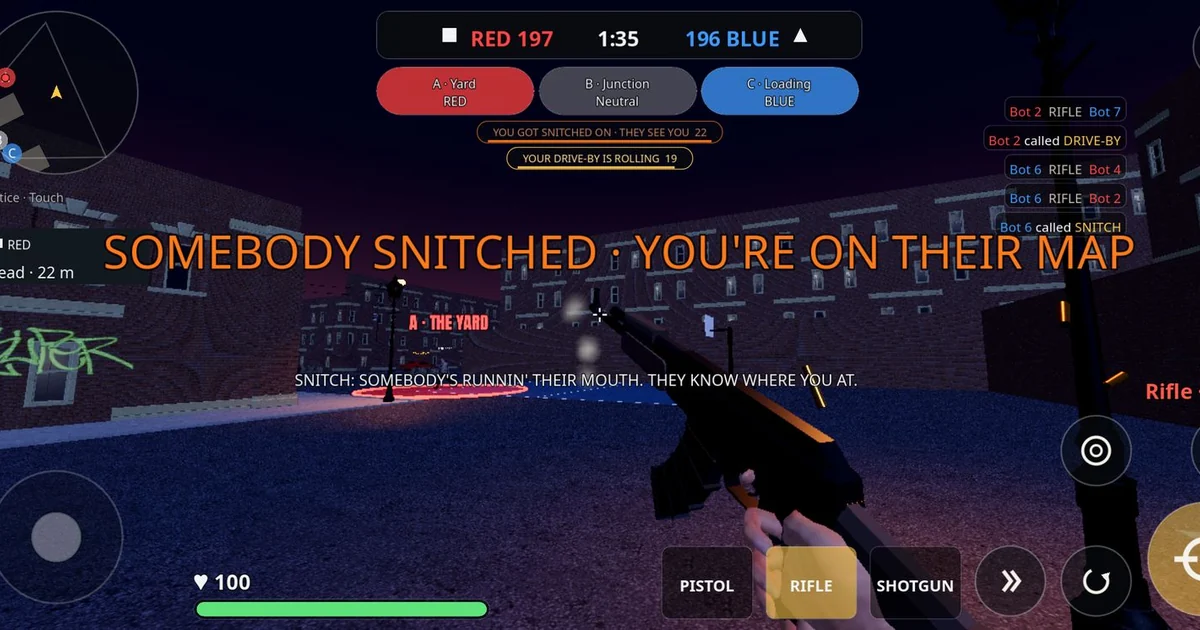
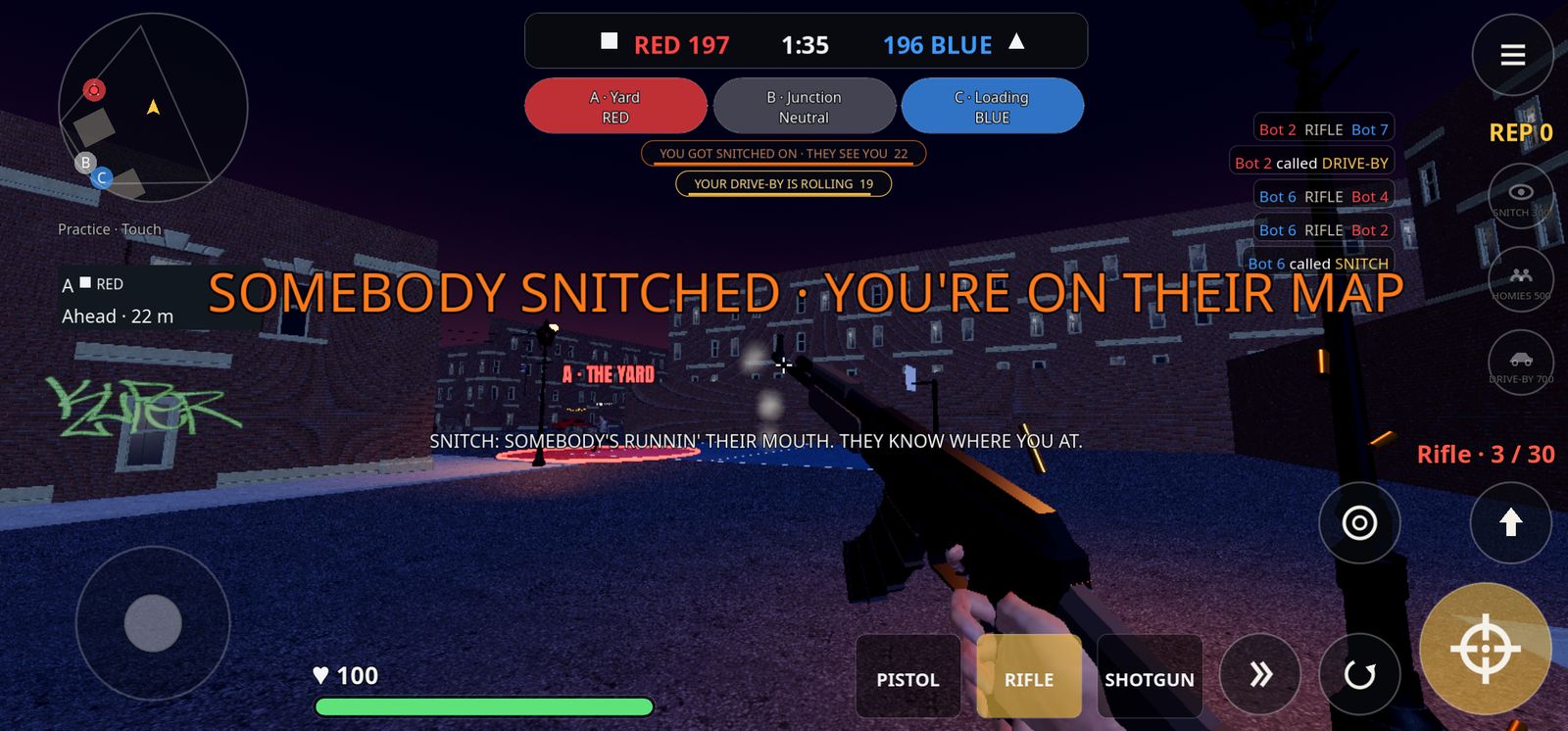
Hood Warfare is a fictional 4v4 turf-war shooter for Android, distributed as an APK from the official website, hoodwarfare.net, and made by ToddMichaelTV. Its match structure rewards teams that agree on what they are trying to hold and who is responsible for each part of the fight. This guide uses crew roles as a practical example of coordinating around shared objectives: how a four-player team can divide its attention, what to decide before a match starts, and what to verify on the official site before you rely on any feature. This is owned-network coverage published under One Democrat, a brand in our publishing network, not an independent third-party review or endorsement.
Start With the Objective, Not the Gun
Turf war gives each crew three corners to contest: the Yard, the Junction and the Loading Dock. A crew that talks only about weapons tends to end up with four players doing the same thing in the same place. A crew that starts with the map question, which corner matters most in this match and which one can be given up, usually spreads its players more usefully.
Before a match, a useful habit is to name one priority corner and one fallback. The priority corner is where the crew commits its strongest players and most of its call-ins. The fallback is where one player can contest without pulling others away. Writing this down, even as a single sentence in a team chat, keeps the squad from changing plans every time a shot lands.
Dividing Roles Around Shared Resources
Players earn rep during a match and spend it on call-ins: snitch, which reveals enemies; homies, which bring AI backup; and drive-by. Because rep is a shared-goal resource only in the sense that the crew benefits from good use of it, a practical approach is to assign one person as the caller who decides when a call-in is worth spending. Without someone making that decision, rep often gets spent early on whatever is in front of the nearest player.
A simple division for four players is: one scout who watches the approach routes and calls enemy positions, one anchor who holds the priority corner, one flex player who moves between corners based on the scout's reports, and one caller who manages call-ins. The roles are not fixed rules of the game. They are a way to make sure someone is always thinking about the map as a whole rather than only about their own crosshair.
Loadout Decisions That Support the Plan
The game offers nine guns across pistol, rifle and shotgun slots, along with extended, taped and drum magazines, light and heavy armor, grenades and medkits. Matching loadouts to roles is more effective than letting everyone pick the same thing. A scout may favor a loadout built for mobility and information, while an anchor may choose something suited to holding a fixed position.
The RPG cannot be bought. It spawns in roof stashes and marks the player who carries it on radar. That visibility means the crew should decide in advance who will take the risk of carrying it, and whether the rest of the squad will cover that player while they move. Treating a rare spawn as a team decision rather than a lucky pickup is a good example of coordinating around a shared objective.
Communication Habits That Hold Up Under Pressure
Fast matches leave little time for long messages, so crews benefit from short, repeatable call formats. Calling a corner name, a count of enemies and a time-sensitive action in one line is more useful than a full sentence. Agreeing on these formats before a match means nobody has to invent them mid-fight.
Players can switch between first and third person during a match. Some players may prefer one view for aiming and the other for watching their surroundings. A crew can agree that the scout uses the wider view and reports, while the anchor uses the view they find most accurate. The point is not that one view is better, but that the crew knows what each member can see.
A Pre-Join Checklist for Squad Play
Before you commit to a crew, check the official site at hoodwarfare.net. The download page checked on 2026-10-29 listed v0.3.0-beta, build 74f1651, Android 10 or newer on 64-bit devices, and an APK of approximately 290 MB. Because a build label alone does not confirm the binary you installed, compare the version shown in your app against the official listing.
Confirm the access terms. The same page checked on 2026-10-29 listed a $1 one-time online-play unlock for new players with no subscription, and free access retained for players who joined during the beta. Terms can change, so read the current download page yourself. Also note which features are presented as available now, such as Turf War, and which are described as coming in a next update, such as Free-for-All, Team Deathmatch and additional maps. Do not plan a crew around a mode that is not yet listed as released.
Ask your crew whether matches fill empty slots with bots, since the official site describes this, and agree on how the crew will handle a bot-filled match. The site does not publish player counts or performance benchmarks, so treat any claims about population or performance you hear elsewhere as unverified until you test them yourself.