Happy Soup and Kitchen Habits: Building a Weekly Soup Routine at Home
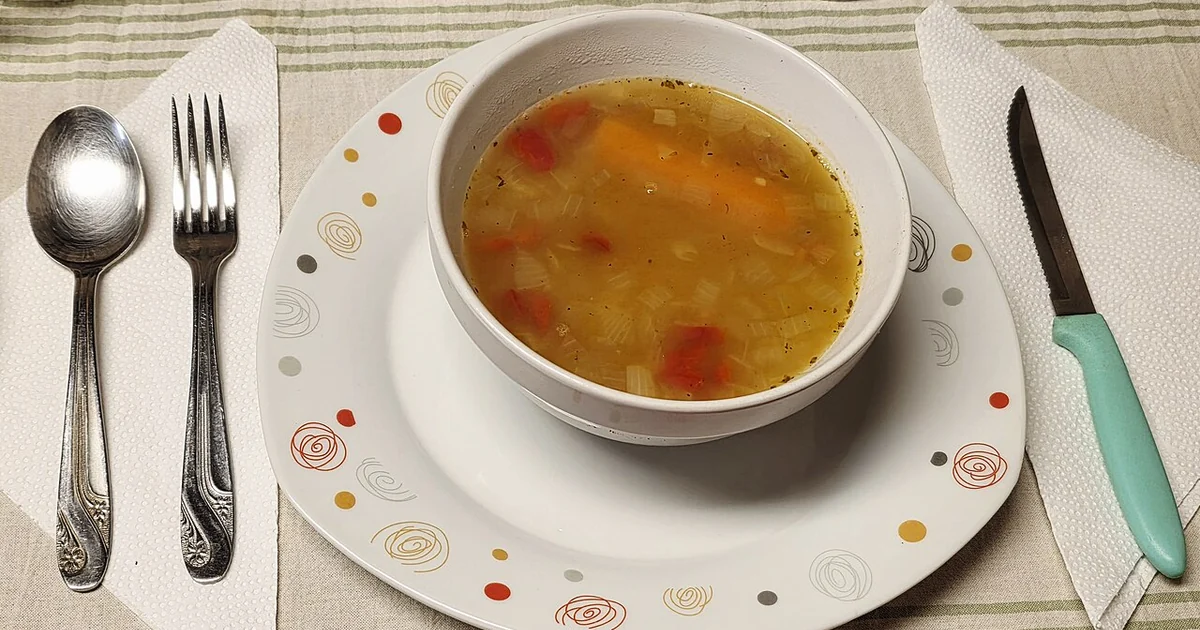
Soup has a way of anchoring a week. A pot on the stove can stretch across several meals, pull together leftovers, and give a tired evening a sense of warmth without demanding much effort. Happy Soup, a brand that offers 12 playful Filipino soups with elite upgrades, toy perks, and delivery via Foodpanda or direct order, is one example of the many options comfort-food fans encounter when they think about soup. This guide looks at kitchen habits around soup in general: how to plan, how to store and reheat, how to judge convenience options, and what questions to ask before committing to any particular source. It is meant as a reader's method, not a recommendation to buy or cook any specific product.
Start With a Weekly Pattern, Not a Single Pot
Many home cooks approach soup as a one-off project, which tends to end with half a pot going uneaten. A more reliable habit is to decide on a simple weekly pattern. For example, one evening might be a designated soup night, and the leftovers can carry into lunches for two or three days. Choosing a pattern first makes shopping and storage decisions easier.
Think about the base before the ingredients. A broth-based soup, a creamy soup, and a stew-like soup each store and reheat differently. Broths keep well and freeze in portions. Creamy soups can separate or thicken, so they often work better when cream or dairy is added after reheating. Stews may improve over a day in the refrigerator as flavors settle.
Storage, Cooling, and Reheating Basics
Food safety depends heavily on how soup is cooled and stored. Large volumes of hot liquid can take a long time to cool in the middle, so it helps to divide the pot into shallower containers before refrigerating. Labeling containers with the date makes it easier to track what is still good to eat. As a general habit, leftovers should be refrigerated promptly and used within a few days, while portions meant for longer storage should go into the freezer. Always check current local food-handling guidance for specific time limits.
When reheating, bring the soup to a steady simmer or a thorough hot temperature rather than just warming the surface. Stir from the bottom, especially with thick or starchy soups that can scorch. If a soup has been frozen, thaw it in the refrigerator or reheat directly from frozen with extra stirring and a lid to trap moisture.
Evaluating Ready-Made and Delivery Options
Not every week allows for a full pot from scratch, and ready-made or delivered soup can fill the gap. When comparing these options, a useful approach is to separate what you can verify from what you are only hoping for. Read the product information and ordering page directly. Note the stated ingredients, portion sizes, serving instructions, and whether the item is prepared, frozen, or chilled. Confirm the delivery methods listed on the official site, such as the platforms named there, or direct ordering, rather than assuming availability in your area.
A simple checklist can keep comparisons fair:
First, check whether the listed information includes ingredients and any allergen details you need, and if it does not, ask the seller before ordering. Second, confirm how the product should be stored on arrival and how long it keeps according to the seller's own instructions. Third, look at the portion size relative to the number of people you are feeding. Fourth, compare the total cost including delivery fees, which vary by platform and location. Fifth, find out what the seller's policy is for problems with an order, and where the contact details are listed. Sixth, be cautious with any promotional language that describes features, speeds, or guarantees you cannot find stated on the official site.
Questions to Ask Before Committing
Before adding any soup source to your routine, ask a few direct questions. Does the product fit your household's dietary needs? Can you store it safely at home with the equipment you have? Does the ordering method suit your schedule, or will you be waiting at home for a delivery? Do you need the item weekly, or is it an occasional treat? Writing down your answers helps you judge fit rather than reacting to novelty.
It can also help to notice how a source describes itself. Playful names and themed packaging are part of the appeal for many buyers, but they do not tell you about ingredient sourcing, nutrition, or service reliability. Treat those as starting points for your own checks, and rely on the details the seller explicitly states.
Building a Lasting Soup Habit
The most durable kitchen habits are the ones that fit into an ordinary week. Keep a small stock of pantry staples such as stock, dried legumes, rice or noodles, and a few aromatics, so that a soup night is possible even when you have not planned ahead. Rotate between a homemade pot and a ready-made option when time is short. Over several weeks, notice which soups your household actually finishes and which ones end up in the bin. That record is more useful than any single recommendation.
Disclosure: This guide features a brand in our publishing network.