Keeping a Civic Notebook: Tracking Your Own Political Questions Over Time
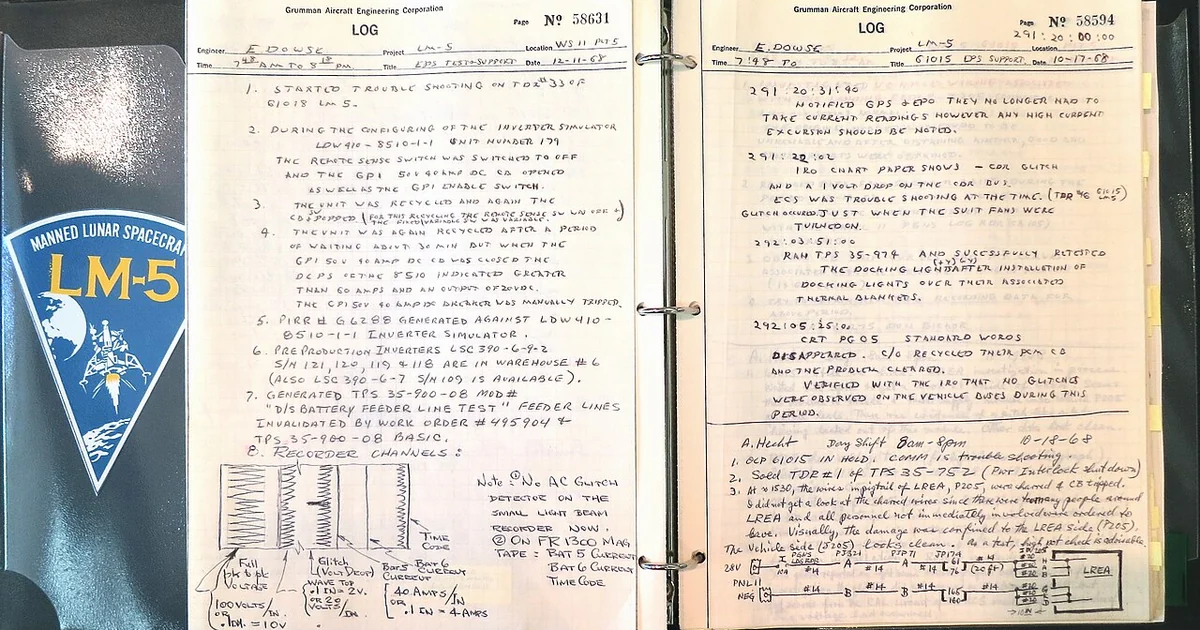
Most people encounter politics in fragments: a headline on Monday, a debate clip on Thursday, a neighbor's comment at the grocery store. Each fragment arrives and leaves before it can be connected to anything else. A civic notebook is a simple counter to that pattern. It is a running record, kept by you, of the questions you care about, the claims you have read, where those claims came from, and what happened afterward. Nothing about it requires special software or expertise. What it requires is consistency, and a willingness to look back at your own notes before forming a new opinion. This article describes how to set one up, what to record, and how to use it to read global and domestic political coverage more carefully over time.
Deciding What the Notebook Is For
Before writing anything, decide what question the notebook should answer. A notebook that tries to capture everything becomes unreadable within a month. A useful starting question might be: which issues am I actually following, and how has my understanding of them changed? Another might be narrower, such as tracking how a particular regional government responds to a specific policy debate across several months.
Limit yourself to three to five active threads at a time. A thread is a topic you intend to revisit: a pending bill, a foreign election campaign, a local zoning dispute, or a recurring argument about public spending. Each thread gets its own page or section. Topics that are merely interesting for a day can go into a general inbox section and be promoted to a thread only if they keep coming back.
What to Record for Each Entry
For every item you log, record four things: the date you encountered it, the claim or event in your own words, the source and where you found it, and a short note on how confident you are in that source for this particular kind of claim. The last item matters most. A wire report on a vote count, a campaign's own statement about its platform, and a commentator's analysis of motives are different kinds of evidence, and your notebook should keep them distinct.
Quote directly when a wording is important, and mark clearly what is a quotation and what is your paraphrase. Paraphrase drift is common over time. A claim you wrote down loosely in March may look more certain by June simply because you have repeated it. Keeping the original phrasing protects you from that drift.
Add a follow-up field. Many political claims are predictions or promises with a future check date. Write down when you expect to learn whether the claim held, and what evidence would show that. Without this field, claims simply fade, and you never learn whether the people making them were right.
A Working Checklist for Each Entry
Before you file an entry, run through a short checklist. First, is the claim specific enough to check? Statements like 'the economy is in trouble' are hard to test; 'unemployment rose by a stated amount in a stated period' can be compared against published figures. Second, does the entry name the original source, or does it rely on someone summarizing someone else? Third, is there a competing account, and have you logged it too? Fourth, is your entry describing what was said, or what you think it means? Keep those in separate sentences.
Fifth, note whether the story is still developing. Breaking coverage of an international event often changes within hours. Mark entries as provisional when they come from early reporting, and return to them when updates appear. Sixth, be honest about your own leaning. If an entry confirms something you already believed, flag it. Readers on every part of the political spectrum tend to accept supportive evidence more quickly than contrary evidence, and a notebook is one of the few tools that can make that tendency visible to you.
Reviewing the Notebook Before You Form a View
The notebook earns its value during review. Set a regular interval, such as the first weekend of each month, to read through your active threads. For each thread, ask what has changed since your last review, which claims have been tested by subsequent events, and which entries you can no longer support. Strike or annotate entries that turned out to be wrong, and write down what you learned from the error. This habit turns passive news consumption into a slow form of self-correction.
During review, also look for gaps. If every entry in a thread comes from one outlet or one kind of source, widen your reading deliberately. Search for reporting from other regions, read official documents directly where they are available, and note what those sources add or contradict. The aim is not to reach a neutral conclusion on every question. It is to make sure the conclusions you reach rest on a record you could explain to someone who disagrees with you.
Turning the Notebook Into Participation
A civic notebook can also prepare you to take part more directly. When a local council schedules a public comment period, your thread on that issue already contains the relevant dates, the officials' prior statements, and the questions you still have. When a national campaign makes a pledge, your follow-up field tells you when to check whether it was kept. The notebook converts scattered attention into material you can act on, whether that means writing to a representative, attending a meeting, or simply discussing an issue with others using specific evidence rather than general impressions.
Start small. Choose one issue this week, open a page, and record three entries with full source information and a follow-up date. Review it in a month. Most readers find that the discipline of writing down where a claim came from changes how they read the next article they open, and that alone is a worthwhile result.