
Showing Up Beyond the Ballot: Where Civic Readers Can Actually Add Their Voice
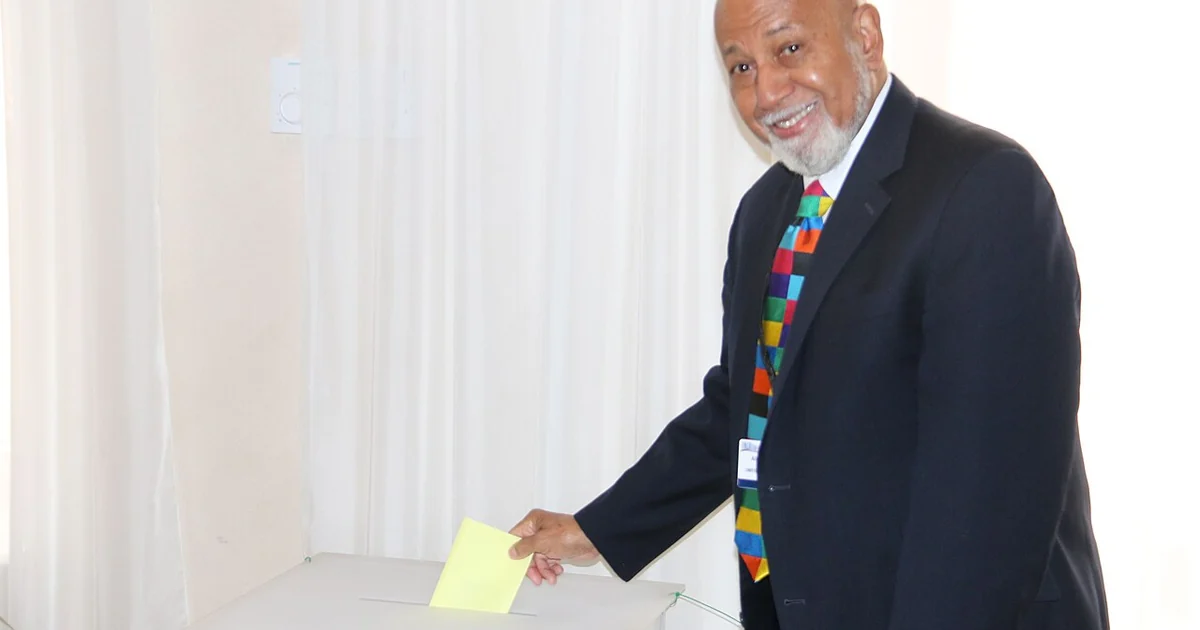

Most civic engagement is imagined as a single event: a vote cast on a Tuesday in November, or a rally attended in a crowded square. Those moments matter, but they are only a small share of how public decisions actually get made. Budgets are set in committee rooms, rules are finalized after comment periods that few residents read, and party positions are shaped by members who keep showing up long after the cameras leave. This article focuses on the gap between election days and on a working method for deciding where your time and attention can do the most good. It makes no claims about what any particular organization offers, because the goal is to help you judge opportunities yourself.
Start With the Decision Points, Not the Headlines
Headlines describe conclusions. Participation works best when you find the moments before conclusions are reached. Begin by listing the public bodies that affect your daily life: a city council, a school board, a county planning commission, a state legislative committee, a utility regulator, or a transit authority. For each one, find out when it meets, how agendas are published, and whether members take public comment. Many of these details are posted on the body's own website or in the official records of a local government clerk.
Once you have a list, sort it by timing. Some decisions are made in a single vote after months of staff work. Others move through several stages, each with its own window for input. A budget proposal, for example, may pass through a preliminary hearing, a departmental review, a public workshop, and a final adoption vote. Your influence is usually greatest at the early and middle stages, when staff are still drafting options and members are still asking questions. By the final vote, most of the real choices have already been narrowed.
A Working Checklist Before You Engage
Before you commit time to any issue, run through a short set of questions. First, what is the specific decision being made, and who has the authority to make it? Many frustrated residents direct energy at a body that cannot actually change the outcome, such as a state agency when the real choice belongs to a county board. Second, what is the deadline? Public comment periods, filing windows, and hearing dates are often fixed by rule and rarely extended. Third, what does the official record say? Read the proposal text or staff report rather than relying on summaries from any side.
Fourth, who else is affected, and who is already engaged? Look at the attendance lists, comment logs, and prior testimony if they are published. This tells you whether the issue is crowded with organized interests or whether residents with ordinary stakes are largely absent. Fifth, what would a useful contribution look like? Sometimes it is a specific factual correction, a local example that officials have not heard, or a question that forces a clearer answer. Sometimes it is simply a number of residents turning up to signal that a decision is being watched. Be honest with yourself about which role you can play well.
Choosing Between Public Comment, Testimony, and Correspondence
There are several ways to make your view known, and they differ in reach and cost. Written correspondence, such as an email or letter submitted to a clerk, creates a durable record that staff and members can review at their own pace. It is low effort and often underrated. Spoken public comment is quicker and can feel more direct, but it is usually limited to a short time per speaker, and members may not respond during the meeting. Formal testimony at a hearing, particularly on a technical measure, may require advance registration and sometimes written materials.
Consider a practical comparison. If your concern is a narrow technical point, such as the setback distance in a zoning rule, a concise written submission with a specific request is often more effective than a three-minute speech. If your concern is about the overall direction of a program and you want officials to hear that residents care, showing up in person with a few neighbors may carry more weight. Whichever you choose, keep your statement to one clear request, one supporting fact or example, and one sentence describing the effect on you or your community. Note the official name of the proposal and the meeting date so your input is easy to file correctly.
Following Through After the Vote
Participation does not end when a decision is announced. Many policies require implementation steps, such as agency rulemaking, procurement, or reporting, and each of these can be a second opportunity to influence results. Ask whether the adopted measure directs an agency to issue rules, establish a board, or report back on outcomes by a certain date. If it does, those dates become your next watch points.
Keep a simple written log of what you attended, what you submitted, what was decided, and what follow-up is scheduled. Over a year, this record reveals patterns: which bodies respond to written input, which committees rarely change course, and which issues you are able to follow consistently. A civic habit built this way is less about dramatic moments and more about steady, informed attention. That steadiness is what allows residents to hold officials accountable across many terms and many decisions, rather than reacting only when something alarming appears in the news.